
Last updated November 20, 2026
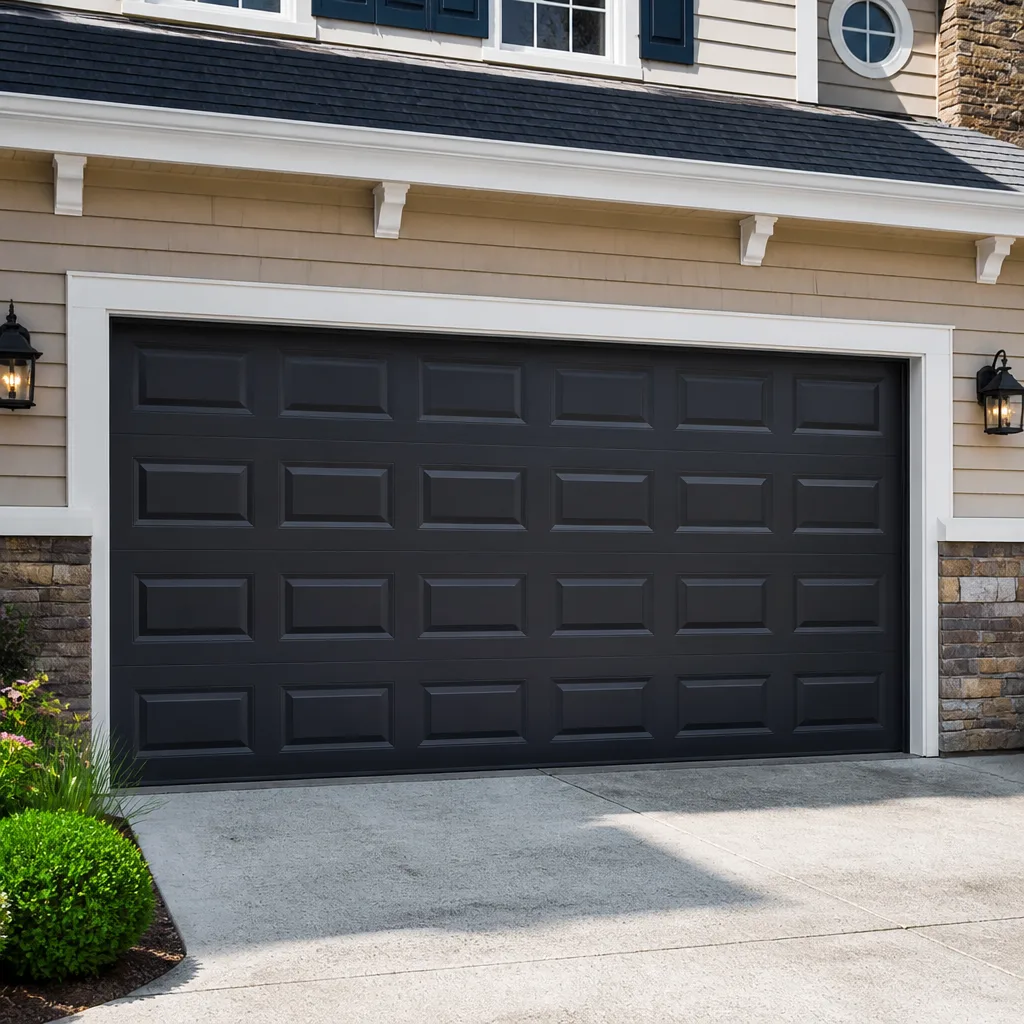 Raised-panel steel
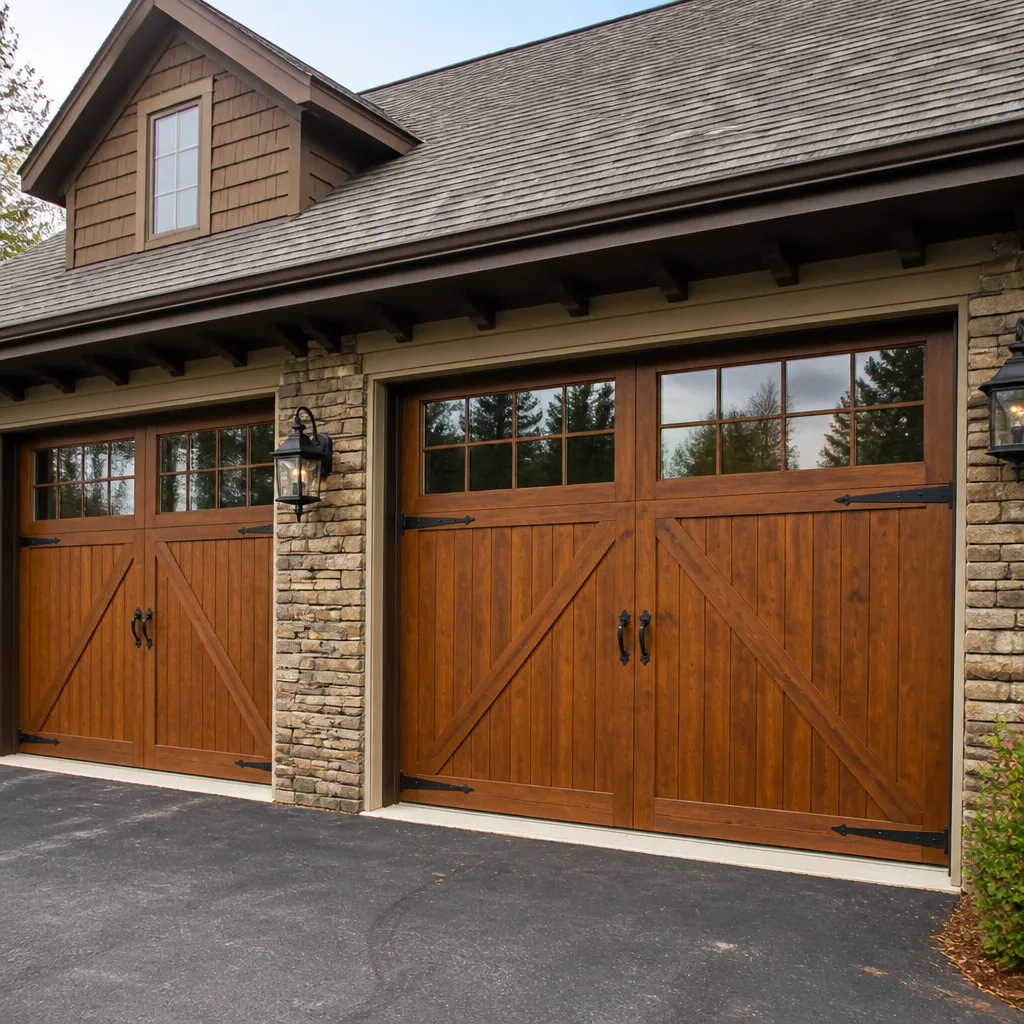 Carriage house
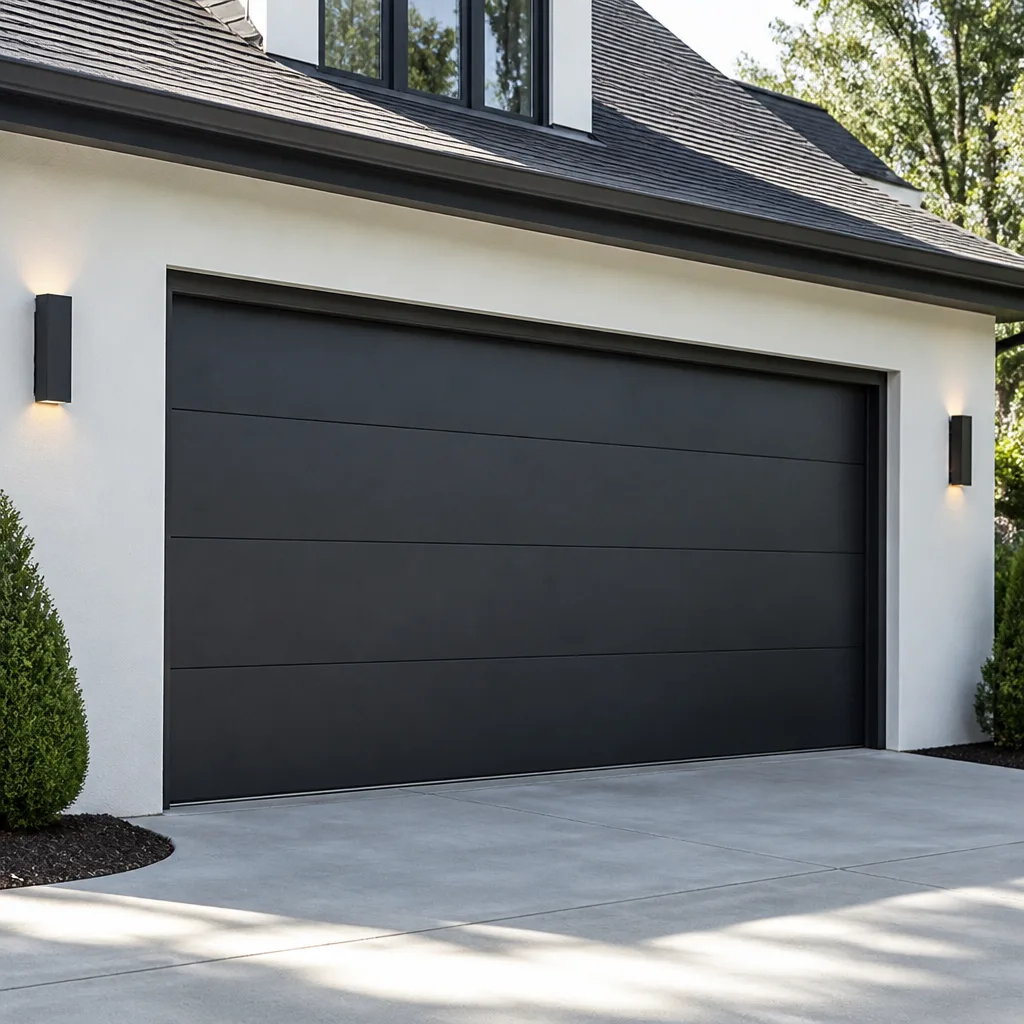 Modern flush
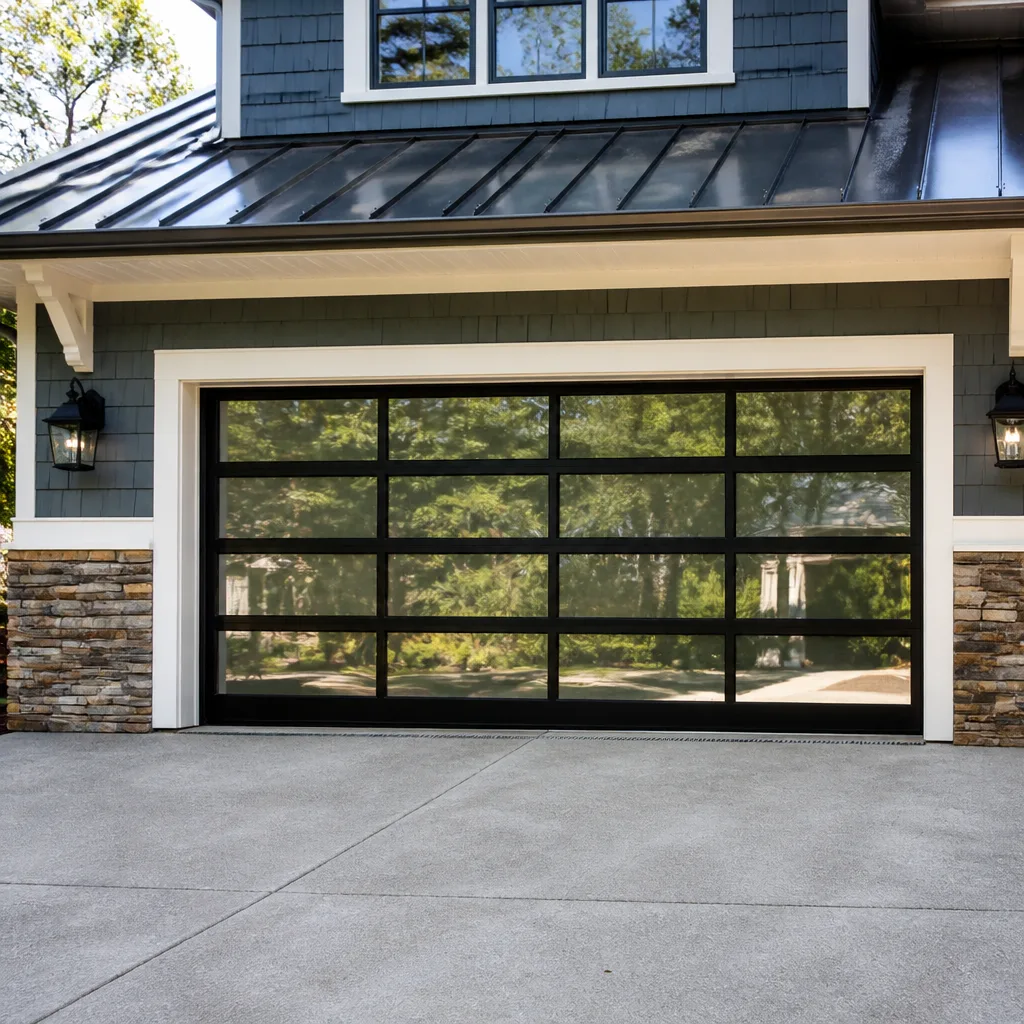 Full-view glass
 LiftMaster openers
 Chamberlain openers
Full 25-point door and opener safety check with every visit - springs, cables, rollers, tracks, and your LiftMaster or Chamberlain opener included
You get a price before we start. It does not change when the pro arrives.
Get your free estimateGarage Door Permits, Codes & Inspections in West Park, OH: What You Need to Know
Garage door replacements happen every day in Ohio without a permit, and most of the time nothing comes of it. Then a homeowner lists the house, the buyer’s inspector walks into the garage, and an unpermitted structural change from a few years back turns into a negotiation problem. That gap between “the work got done” and “the paperwork holds up” is what this guide is about. We’ll walk through when a permit is actually required for garage door work in West Park, OH, when it isn’t, how electrical permits fit in, and how to fix unpermitted work if it’s already behind you. By the end you’ll know the questions to ask before anyone touches your door.
Quick Answer
A straight garage door or opener replacement in West Park and the rest of Cuyahoga County typically does not require a building permit. A permit is generally required when the work changes the structure (cutting, widening, or modifying the framing above the opening) or adds new electrical wiring and circuits. If you’re unsure which side of that line your job falls on, call West Park’s building department before work starts.
Styles & brands we work with
- Raised-panel steel
- Carriage house
- Modern flush
- Full-view glass
- LiftMaster openers
- Chamberlain openers
Table of Contents
- The Ohio Code Threshold: Repair vs. Structural Modification
- When You Don’t Need a Permit in West Park
- When Opener Wiring Triggers a Separate Electrical Permit
- Cuyahoga County, Cleveland and West Park: Who Governs What
- How Unpermitted Work Shows Up During a Home Sale
- Permits and Storm Damage Insurance Claims
- How to Fix Unpermitted Garage Door Work
- What a Garage Door Inspection Actually Covers
The Ohio Code Threshold: Repair vs. Structural Modification
The line between a walk-through job and a permitted one comes down to whether you’re replacing parts of an existing door opening or changing the structure that holds it. Swapping a door, a torsion spring, rollers, tracks or an opener is maintenance and replacement of like-for-like components. That’s the vast majority of what happens in West Park garages. Cutting into a header, reframing an opening, or enlarging a door to fit a wider unit is structural work.
Ohio’s residential building code treats that structural line as the trigger for a permit, because the header above a garage door is load-bearing. It carries the wall and roof above the opening. Change it without an engineer’s sizing or a permit inspection and you’ve altered a structural element with nothing on record showing it was done correctly. That’s the distinction that matters, and it’s the one most homeowners haven’t thought about when they call us.
Here’s how we sort it out before a job is scheduled:
- Is the opening staying the same size and in the same place? If yes, this is replacement work. No structural permit is typically involved.
- Is any framing being cut, added, or repositioned? If yes, a building permit is generally required, and the header sizing usually needs to come from a design professional.
- Is new wiring being run to the opener or a new circuit added? That pulls in an electrical permit, covered below.
- Is this a code-compliance change, like adding safety features? Some of that is required by code but not permitted as construction. Ask your city’s building department to be sure.
In West Park specifically, most of the housing stock is older, which cuts both ways. The door openings are established, so replacement is straightforward. But older garages sometimes have framing that’s been modified over the years, and a job that looks like a simple swap can turn into structural work once a technician opens the wall. We look for that before quoting, not after. If you’re scheduling a straight replacement, our garage door installation page covers how that process runs from measurement to final adjustment.
When You Don’t Need a Permit in West Park
Most garage door work in West Park does not require a permit. Replacing a broken spring, swapping a worn opener, putting up a new door in an existing opening of the same size, replacing rollers, cables, hinges or tracks: none of that typically triggers a building permit because none of it changes the structure or adds circuits. It’s repair and replacement of components that were already there.
This matters because homeowners sometimes get talked into pulling a permit they didn’t need, or worse, get told they need one by a contractor who doesn’t understand the distinction. The test is simple. If the opening stays the same and the electrical service stays the same, you’re almost certainly in no-permit territory.
Jobs that usually need no permit:
- Replacing a garage door with a new unit of the same size in the same opening
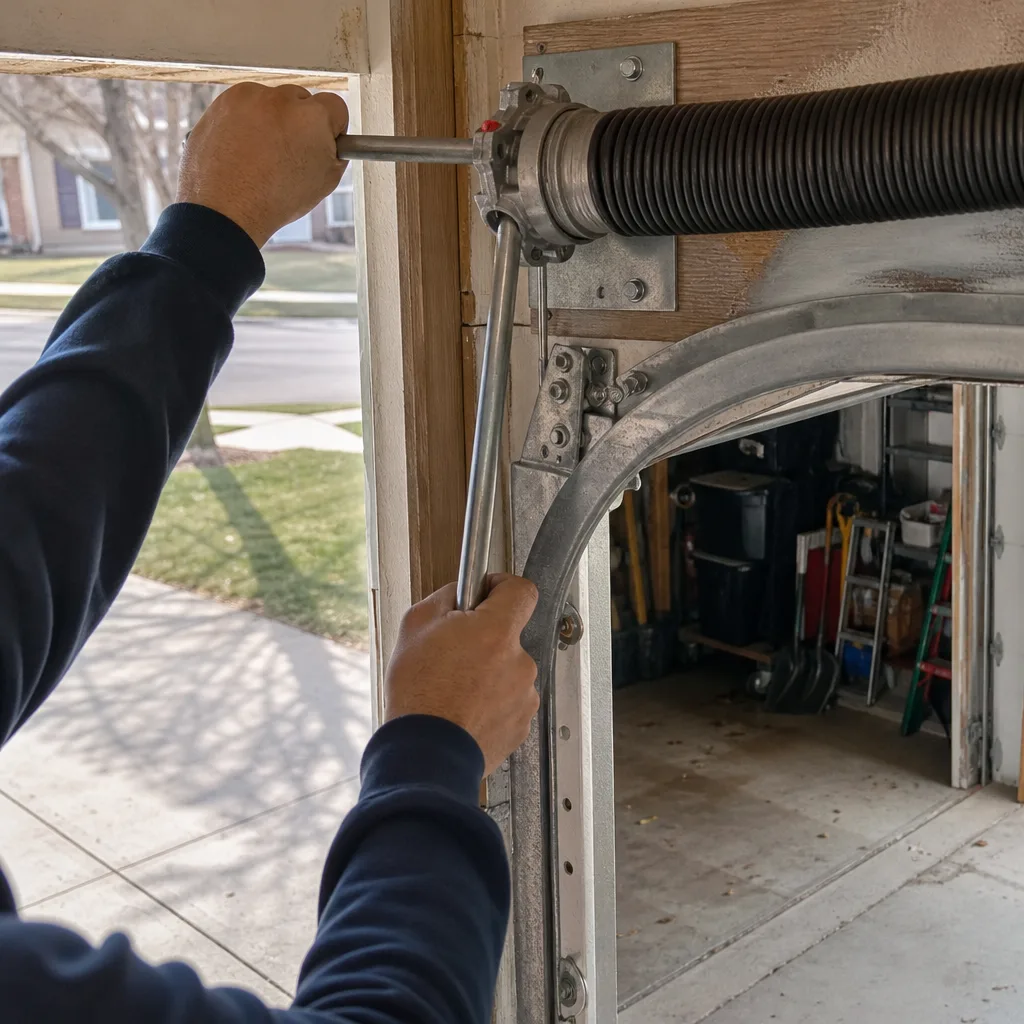
- Replacing torsion or extension springs (one spring, or a matched pair)
- Replacing an opener with a new one wired to the existing circuit and outlet
- Replacing rollers, hinges, cables, drums, or track sections
- Adding a battery backup to an existing opener, or swapping remotes and keypads
- Adjusting a door that’s out of balance or off its tracks
We work across the brands already in West Park homes, including Clopay and Wayne Dalton doors and LiftMaster and Chamberlain openers, and the permit question doesn’t change based on brand. What changes is the scope. A like-for-like Clopay replacement is no-permit work. Widening that same opening for a bigger door is not. If your door is failing and you want to know what tier of work you’re in, our garage door repair page lays out the common failure points and how each one gets handled.
When Opener Wiring Triggers a Separate Electrical Permit
Garage door openers live at an interesting intersection: they’re mechanical devices that happen to be wired into your home’s electrical system. That’s why opener work can require a permit even when the door itself doesn’t. Replacing an opener and plugging it into an existing outlet is one thing. Running a new circuit from the panel to the garage, adding a new outlet where there wasn’t one, or wiring a subpanel for a detached garage is electrical work, and electrical work is permitted separately from anything to do with the door.
Where this catches West Park homeowners is with older garages that were wired before modern code expectations. A homeowner decides to upgrade to a smart opener with a battery backup, and the technician opens the garage ceiling to find a circuit that’s shared, ungrounded, or not sized for the load. Now the job involves an electrician and a permit, and the timeline changes.
What typically requires an electrical permit:
- Adding a new circuit from the main panel to the garage
- Installing a new outlet or disconnect for the opener
- Rewiring a garage that has no grounded circuits or has failing wiring
- Adding lighting circuits as part of an opener or garage renovation
What usually does not:
- Replacing an opener wired to an existing, compliant outlet
- Swapping a wall-mounted control panel for a newer model
- Adding a battery backup unit to an existing opener
This is also a safety issue before it’s a paperwork issue. Garage door openers and their wiring carry real current, and a panel or circuit that’s been modified by someone without training is a genuine hazard. We don’t work inside an electrical panel, and we’ll tell you when a job needs a licensed electrician before we can install anything. Our garage door opener repair page covers what a typical opener diagnosis involves, including the wiring checks that tell us whether an electrician needs to be part of the job.
Cuyahoga County, Cleveland and West Park: Who Governs What
West Park is a neighborhood of Cleveland, which means residential building permits for garage work go through the City of Cleveland’s building department, not Cuyahoga County directly. That distinction matters because homeowners often call the county first, get routed around, and lose a week. Cuyahoga County handles certain regional functions, but the city issues and inspects residential building permits within its own boundaries.
Practically, this means when you have a question about whether your garage door job needs a permit, the authority to ask is the City of Cleveland’s building department. They can tell you what’s required for your address, what the inspection process looks like, and what documentation you’ll need if the work touches structure or electrical. We can’t make that call for you, and neither can any contractor, because the determination rests with the jurisdiction.
Where this gets fuzzy in West Park is at the edges. A garage that was built under different rules, an addition that predates current code, a detached garage that was permitted separately from the house. Our experience is that the city is the right starting point for every one of these, and the answer sometimes surprises people in both directions. A job they assumed needed a permit doesn’t, or a job they assumed was simple turns out to need one. Call first.
For residents in the surrounding neighborhoods, the same principle applies. The city with jurisdiction over your address is the one to ask. We work in West Park and the nearby areas, and we’ve learned to route the permit question to the city every time rather than guessing.
How Unpermitted Work Shows Up During a Home Sale
This is where the permit question stops being theoretical. A garage door job done without a permit rarely causes a problem during the job. It causes a problem three, five, or ten years later when the house goes on the market and a buyer’s inspector starts asking questions about the garage.
What an inspector typically flags:
- A header that’s been cut, sistered, or replaced with no permit record
- A widened opening that doesn’t match the original footprint on file
- New electrical work in the garage with no inspection sticker or permit history
- An opener or door installation that doesn’t match the age of the rest of the home’s records
When one of those turns up, the buyer’s lender and insurance carrier both get involved. The lender wants to know the structure is sound. The insurer wants to know the home hasn’t been modified in ways that change its risk profile. Neither of those is a crisis if the work was done correctly and the record exists. Both become a delay when the record doesn’t exist and nobody can prove the work was done to code.
The conversations we’ve had with West Park homeowners about this usually start after the inspection report comes back. Someone needs to know whether the door work from years ago was permitted, and there’s no easy answer because the record isn’t there. That’s why we raise the structural-versus-replacement question before a job starts, not after. A Clopay or Amarr replacement in an existing opening doesn’t create this problem. A header modification without a permit does.
If you’re getting ready to sell and want to know what a garage door inspection would flag, our team at West Park Garage Door Repair Pros can walk the door and opener and tell you what an inspector is likely to ask about.
Permits and Storm Damage Insurance Claims
A damaged garage door after a storm is an insurance claim, and insurance claims want documentation. If the door, the tracks, or the framing above the opening took impact damage and needs structural repair, the claim is smoother when the repair goes through a permit and an inspection. If it doesn’t, the insurer may still pay, but the burden of proving the repair was done correctly falls on you.
Here’s the part that surprises people. Storm damage to a garage door is usually covered as part of the structure, but the claim file is easier when the work is documented. A permitted structural repair comes with an inspection record. A replacement door that doesn’t touch structure usually doesn’t need a permit and doesn’t need that record, because there’s no structural change to prove.
So the storm damage conversation and the permit conversation are the same conversation in a specific way. If the damage is limited to the door, opener, spring, tracks or rollers, this is replacement work and there’s typically no permit involved. If the damage extends to the framing, the header, or the electrical, that’s when you’re into permitted territory and you’ll want the record for the claim.
We can work with your insurer on the parts side, and we’ll tell you clearly which tier of work your damage falls into. If it’s a replacement, we can schedule it. If it’s structural, we’ll tell you to get the city involved before anyone touches the wall. Hail is uncommon in this part of Ohio, so most of what we see is wind and impact damage to the door itself, which sits firmly in the no-permit category.
How to Fix Unpermitted Garage Door Work
If unpermitted work is already done, it can usually be fixed. The process is a retroactive permit, and it’s more common than most homeowners realize. It’s not free and it’s not instant, but it’s a known path, and going through it is almost always cheaper than the alternatives during a home sale.
The general sequence:
- Call the City of Cleveland building department. Explain what work was done, when, and what’s on record. Ask what a retroactive permit requires for your address.
- Expect an inspection of the existing work. An inspector will look at the header, the framing, and any electrical work to confirm it meets current code.
- Plan for corrections if the inspection finds problems. If the original work wasn’t done to code, it will need to be brought up to code before the permit can be closed. That may mean structural reframing or electrical corrections.
- Get a licensed contractor involved for any structural or electrical corrections. This isn’t DIY territory, and a permit inspector will expect the correction work to be done by someone qualified.
- Close the permit and keep the record. The signed-off permit is what the buyer’s inspector and the insurer will want to see.
On cost, we won’t quote you a number for a permit you have to pull yourself, because the city sets those fees and they vary by scope. What we can tell you is that the corrections are usually the bigger expense, not the permit itself. On timeline, retroactive permits move at the pace of the city’s inspection schedule and any correction work required, so it’s measured in weeks, not days. If you’re selling, start the process before you list, not after you accept an offer.
What a Garage Door Inspection Actually Covers
A garage door inspection during a home sale, or as part of a permitted structural job, is not the same as a service call. A service call is about getting the door working. An inspection is about documenting that the door, the opener, and the surrounding structure are safe and to code.
What gets checked:
- The door and its balance. Whether the door opens and closes smoothly, whether it stays put at the halfway point, and whether the springs are sized correctly for the weight.
- The opener’s safety features. The auto-reverse function, the photo eye alignment, and the force settings. These are code requirements and an inspector will test them.
- The hardware. Cables, drums, rollers, hinges, and tracks. A door with a frayed cable or a bent track fails an inspection even if it currently opens.
- The structure above the opening. The header, the framing, and whether any of it has been modified without a record.
- The electrical. Whether the opener is on a grounded, properly sized circuit and whether any of the wiring shows signs of unpermitted modification.
This is where the repair-versus-structure line comes back. Most of what an inspector checks on a garage door is serviceable, and a door in good repair passes without any permit history because none was ever needed. The structural question is the one that requires paperwork. If you want to know where your door stands before an inspection, call us and we’ll walk it with you.
Common Mistakes to Avoid
- Assuming a new door always needs a permit. It usually doesn’t, as long as the opening isn’t changing. Pulling a permit you don’t need costs you time and money, and the city can tell you which side of the line you’re on.
- Assuming a header modification never needs one. This is the more expensive mistake in West Park, because older garages get modified and the record never gets made. Structural work without a permit is what surfaces during a sale.
- Treating opener wiring as part of the door job. New circuits and new outlets are electrical work, and they’re permitted separately. A door installer who says “we’ll handle it” without mentioning an electrician is worth a second question.
- Calling the county instead of the city. In West Park, residential permits go through the City of Cleveland. Starting in the wrong office loses time you don’t have if you’re under contract.
- Waiting until the inspection report comes back. If unpermitted work exists, the retroactive permit process takes weeks. Starting it after a buyer flags it can delay a closing or cost you negotiating leverage.
- Letting a storm damage repair skip the permit when structure is involved. The insurance claim goes smoother with a documented, permitted structural repair, and the record protects you if the home sells later.
- Hiring a general handyman for structural or high-tension work. Springs are dangerous and structural framing is code-regulated. A generalist who isn’t set up for either can leave you with a door that works but won’t pass an inspection.
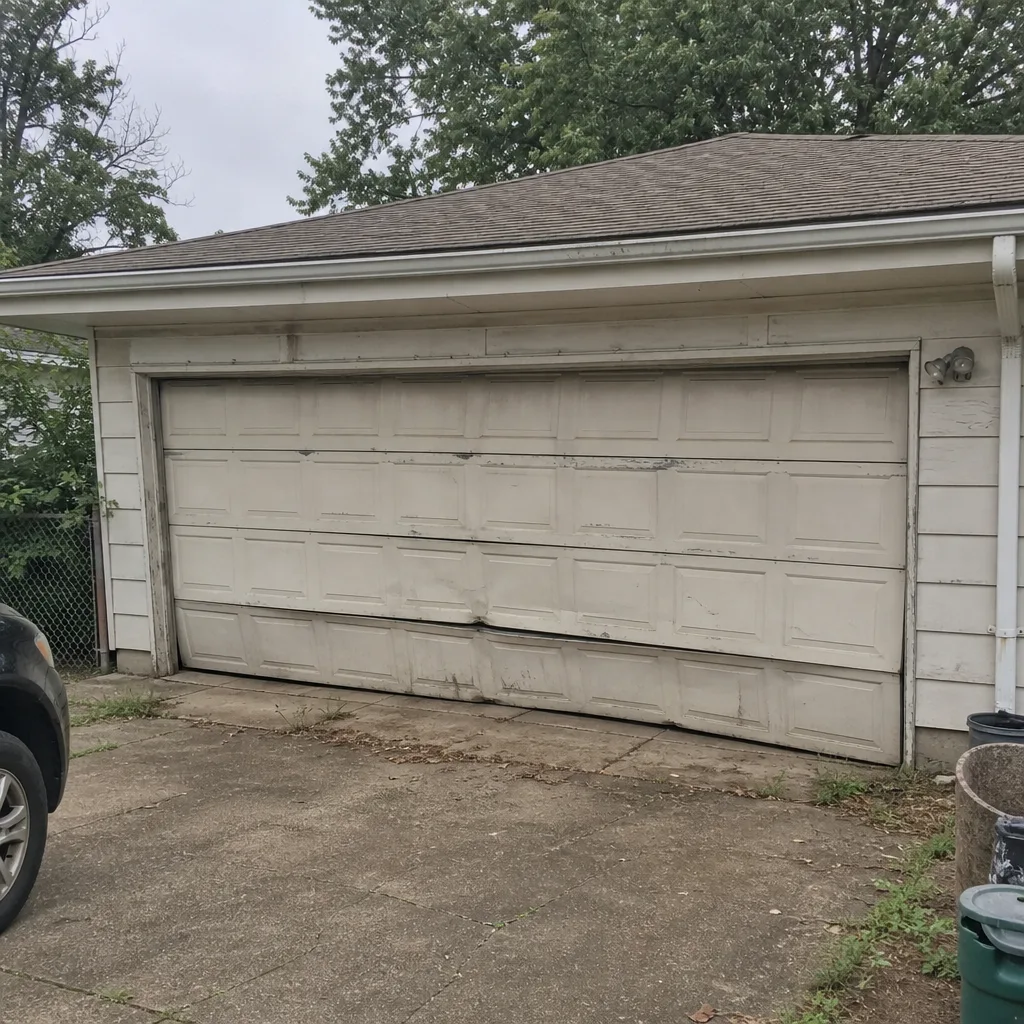
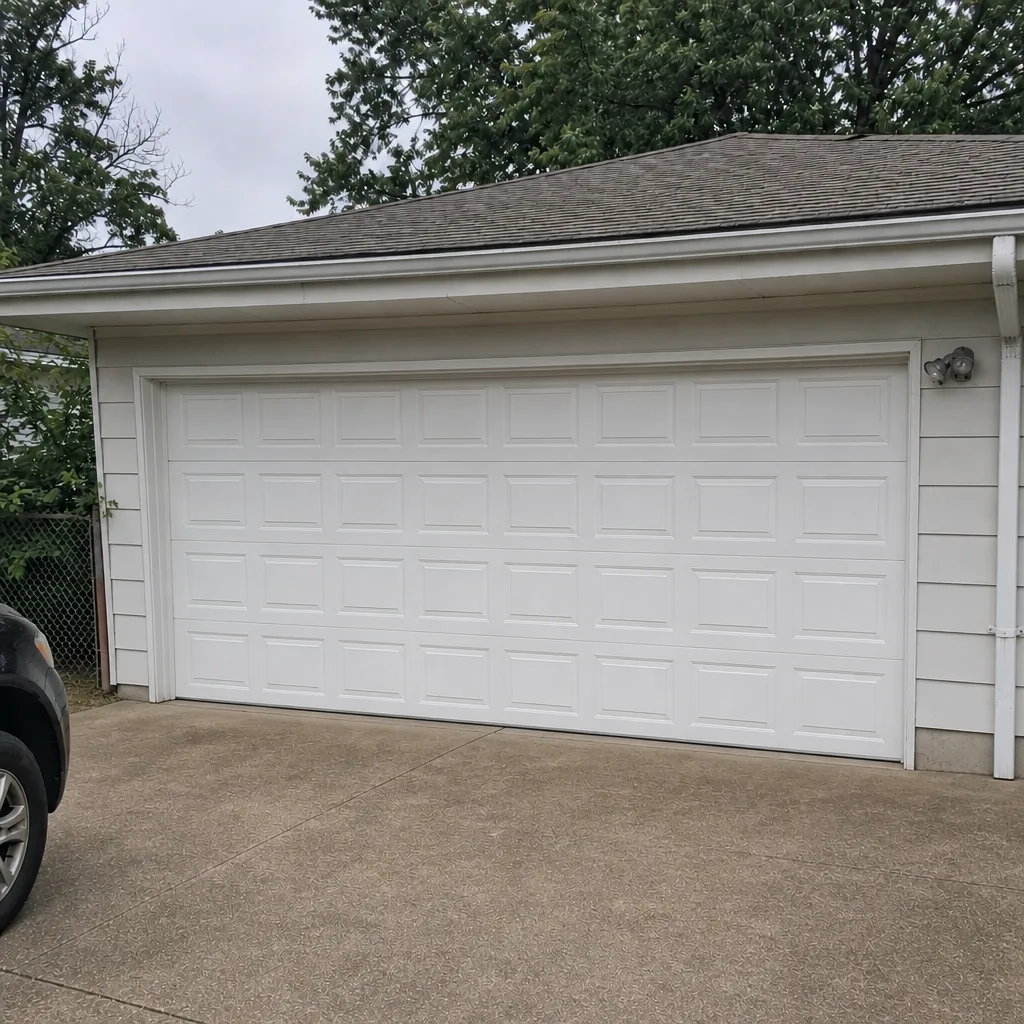
See the difference
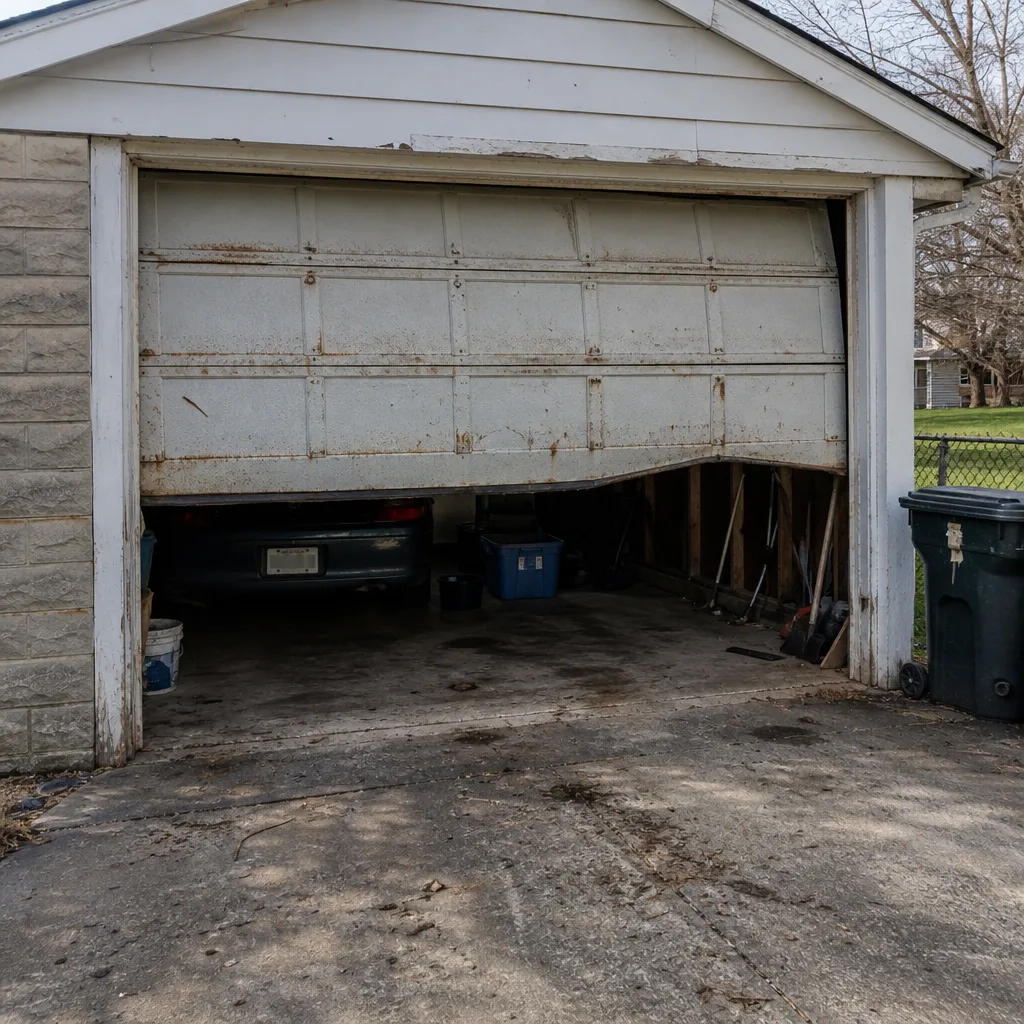 Before
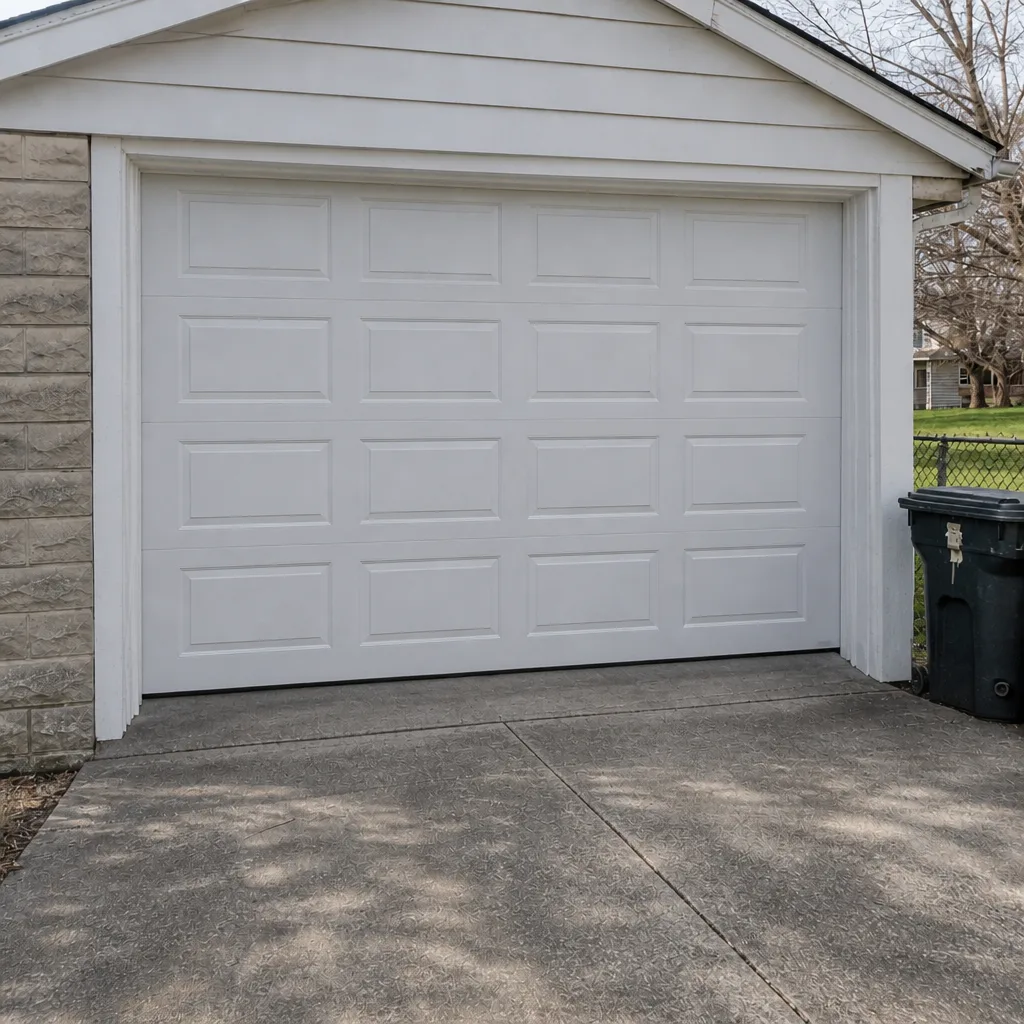 After
 Before
 After
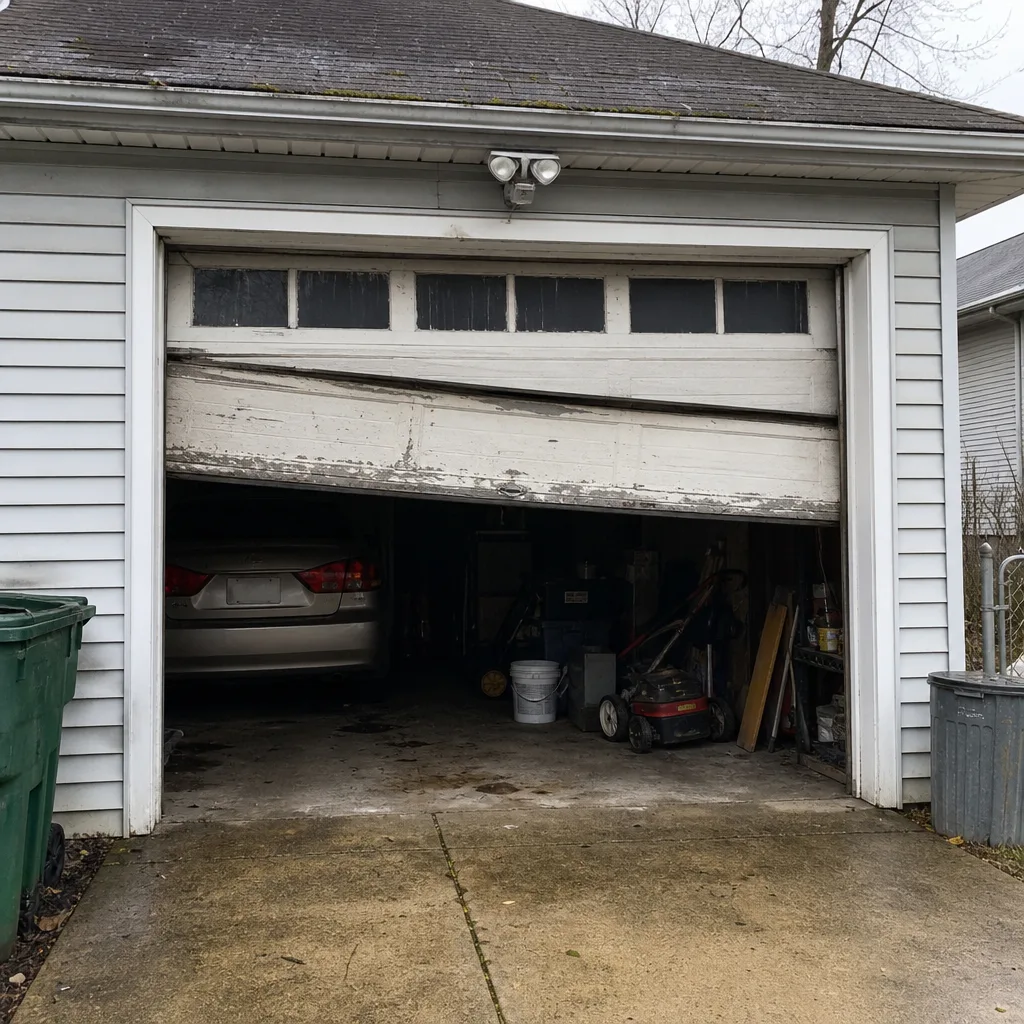 Before
 After
When to Call a Professional
Call a professional when the work involves a high-tension spring, a door that’s off its tracks, an opener that’s stopped responding, or any question about whether the structure above the opening has been modified. Springs and cables are genuinely dangerous and should never be handled without training and the right tools. Electrical work at the panel or a new circuit is a licensed electrician’s job, not a door technician’s. And if an inspection has flagged unpermitted work, the corrections need to be done by someone qualified to bring the structure or the wiring up to code.
West Park Garage Door Repair Pros offers free estimates in West Park. Call (855) 658-4098. We answer 24/7. Fast dispatch from 7am to 7pm, Sunday through Friday. We’ll tell you which tier your job falls into, whether a permit is likely to be involved, and what the written estimate covers before any work starts.
Frequently Asked Questions
Usually no. Replacing a garage door with a new unit of the same size in the same opening is replacement work, not structural work, and typically doesn’t require a building permit in West Park or the rest of Cleveland. If the opening is being enlarged or the header is being modified, a permit is generally required. Call the City of Cleveland building department to confirm for your address, and call (855) 658-4098 for a free estimate on the door work itself.
Usually no, as long as the new opener is wired to an existing, compliant outlet. If the job involves running a new circuit from the panel, adding a new outlet, or rewiring the garage, that’s electrical work and it requires an electrical permit separately from the door. If your garage wiring is older or questionable, an electrician needs to be part of the job before an opener is installed. Call us for an opener diagnosis and we’ll tell you what’s involved.
The buyer’s inspector can flag unpermitted structural or electrical work, and the lender and insurer may require it be resolved before closing. The fix is a retroactive permit through the City of Cleveland, which includes an inspection and any corrections needed to bring the work up to code. The permit fee itself is set by the city; the corrections are usually the larger cost, and the timeline is measured in weeks. Call (855) 658-4098 if you want the door and opener looked at before you list.
The city sets permit fees and they vary by the scope of the work, so we won’t quote a number we don’t control. What we can tell you is that a like-for-like door replacement usually doesn’t need a permit at all, which means the fee question often doesn’t apply. When it does apply, the fee is smaller than the correction work that follows if the original job wasn’t done to code. Call (855) 658-4098 for a free estimate on the door work, and call the city for the permit fee.
No. The price is quoted and agreed before any work starts, and the written estimate sets the final price. If we open the wall and find something the estimate didn’t cover, we stop and tell you before we proceed. That’s why we ask the structural and electrical questions up front, because those are the two areas where a simple job can turn into a larger one. Call (855) 658-4098 for a free estimate.
The local professionals we connect you with are licensed and insured as Ohio requires, and they’re experienced across the major brands, including Clopay, Amarr, Craftsman and Chamberlain. Our technicians have up to 14 years of experience. The work is quoted and agreed before it starts. Call (855) 658-4098 with your address and a description of the door or opener, and we’ll get you a free estimate.
The Bottom Line
In West Park, the permit question for garage door work comes down to one distinction: are you replacing components in an existing opening, or changing the structure or electrical service? Replacement work usually needs no permit. Structural modifications and new circuits do, and the paperwork matters most when you sell, not when the job is done. The City of Cleveland is the authority for West Park addresses, and a call there before work starts is the cheapest step in the whole process. If unpermitted work exists, a retroactive permit is a real path, and it’s better started early than discovered mid-closing. For the door and opener side, call (855) 658-4098 for a free estimate. We’ll tell you which tier your job is in before anyone touches the door.
Written by the team at West Park Garage Door Repair Pros.