
Last updated November 20, 2026
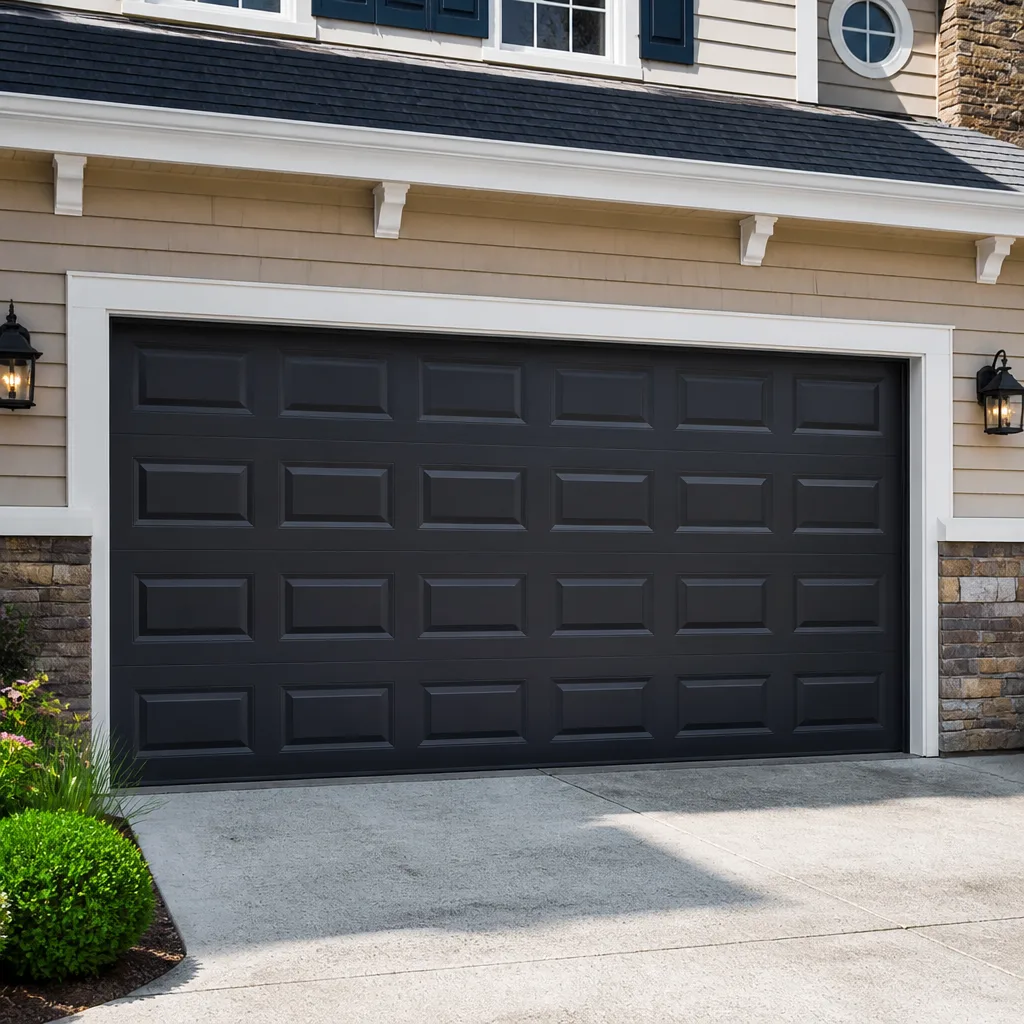 Raised-panel steel
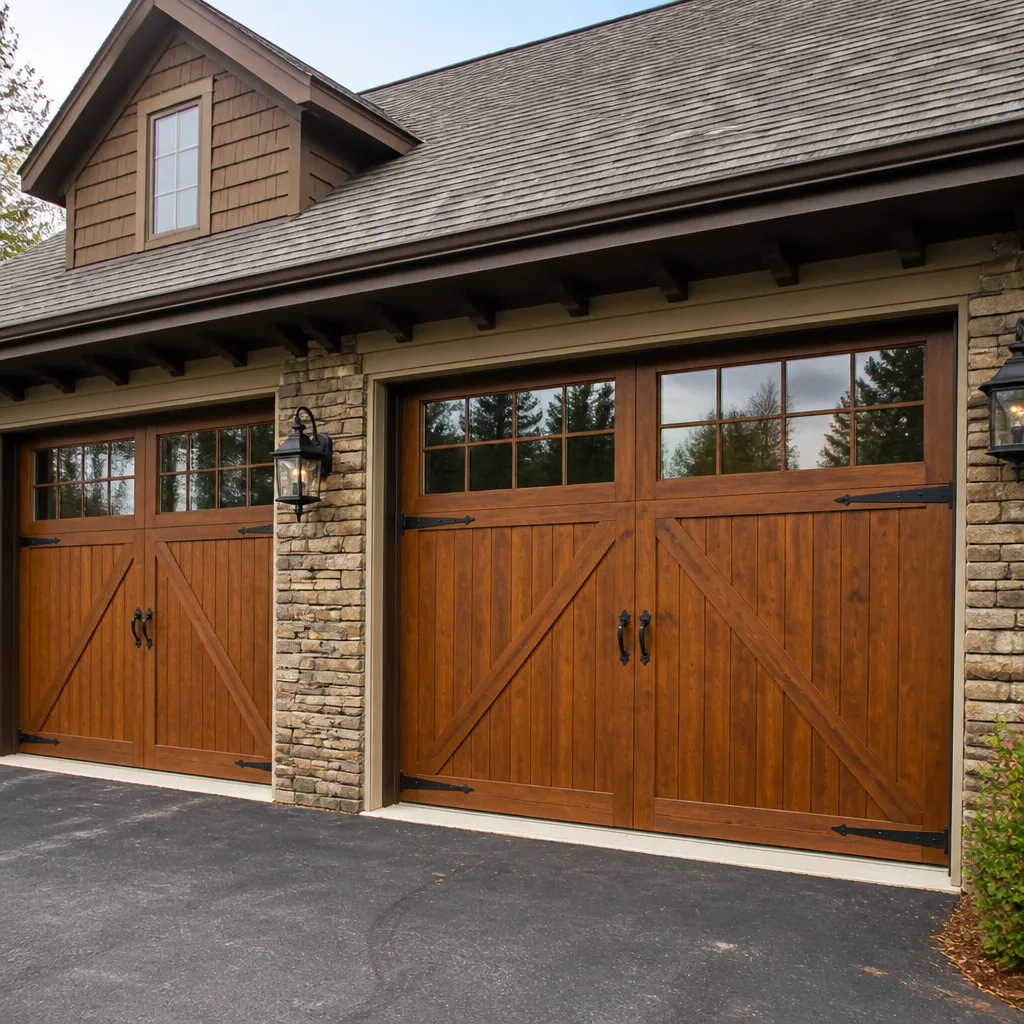 Carriage house
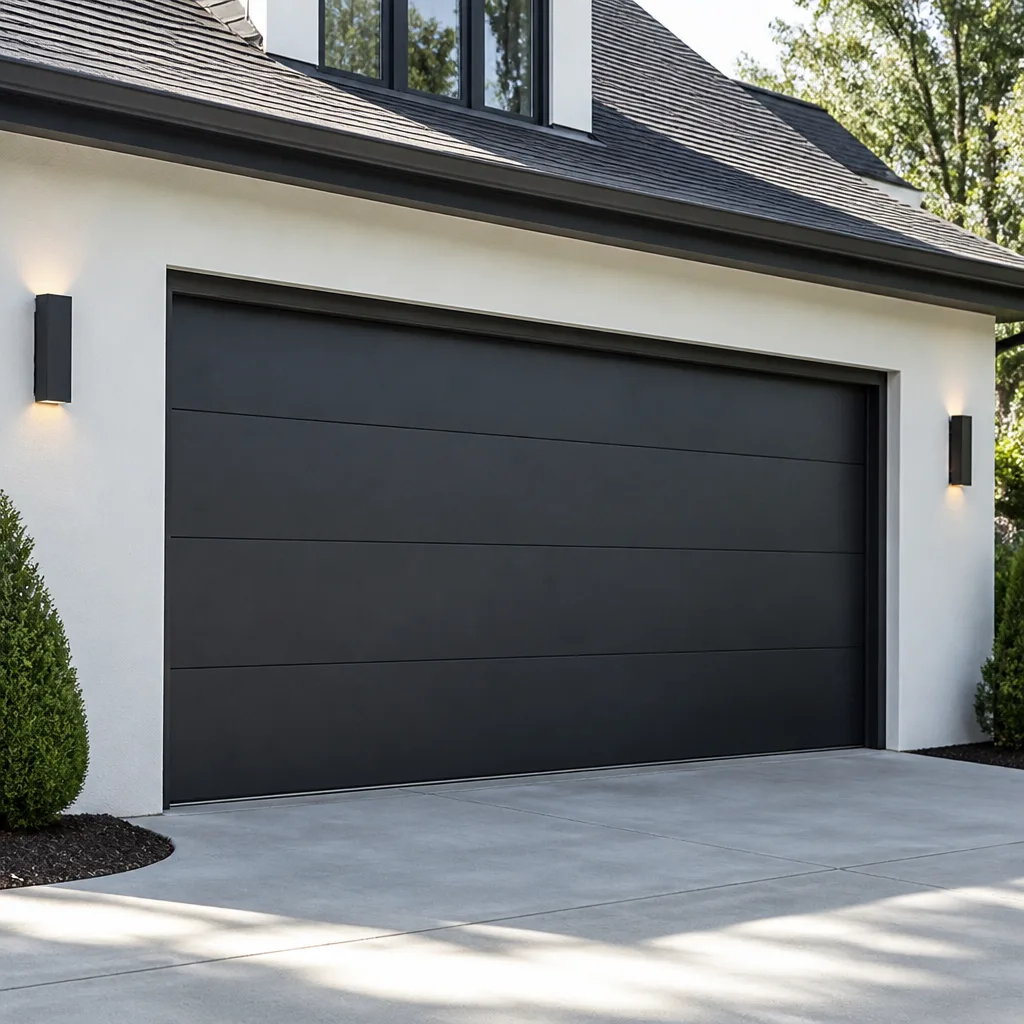 Modern flush
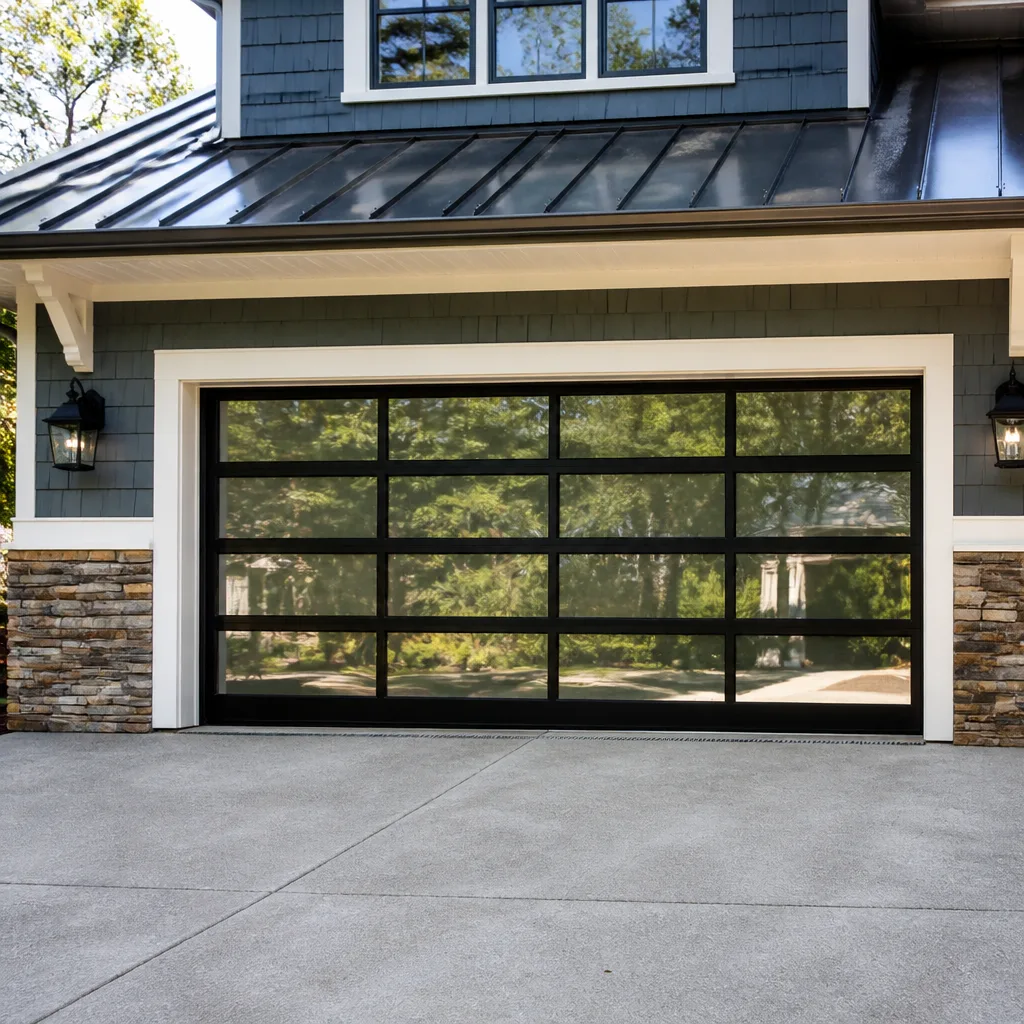 Full-view glass
 LiftMaster openers
 Chamberlain openers
Full 25-point door and opener safety check with every visit - springs, cables, rollers, tracks, and your LiftMaster or Chamberlain opener included
You get a price before we start. It does not change when the pro arrives.
Get your free estimateSeasonal Garage Door Care for West Park: Year-Round Homeowner’s Guide
Most homeowners assume January is the danger month for a garage door. In our experience across West Park, the failures cluster later: February and March. By then the metal has been contracting through three months of cold, and the daily freeze-thaw cycling of late winter works it back and forth – open in the sun, stiff again by dark. That repeated thermal stress is what finally cracks a tired torsion spring, not one deep cold snap. Summer brings its own set of problems that almost every generic maintenance checklist ignores: humidity swelling wood panels, seals going soft, and tracks drifting out of alignment as the ground shifts. This guide maps the tasks to West Park’s actual seasonal pattern and the sequence of stress the door really goes through, so you’re inspecting ahead of the failure instead of reacting to it.
Quick Answer
In West Park, seasonal garage door care means inspecting springs and cables before the February-March freeze-thaw peak, checking wood panels, bottom seals and track alignment through the humid summer, replacing weatherstripping before the heating season starts, and testing your opener’s battery backup and travel limits before the first hard freeze. The right task at the right time prevents most emergency calls. When something is already broken – especially a spring or a door off its tracks – that’s a job for a trained technician, not a weekend project.
Styles & brands we work with
- Raised-panel steel
- Carriage house
- Modern flush
- Full-view glass
- LiftMaster openers
- Chamberlain openers
Table of Contents
- Why Seasonal Care Works Differently in West Park
- Late Winter and Early Spring: The Highest-Risk Window
- Spring: What to Check Before the Heat Arrives
- Summer: Humidity, Wood Panels, Seals and Tracks
- Fall: Weatherstripping Before Heating Season
- Getting the Opener Ready for Winter
- Month-by-Month Task Calendar for West Park
- Common Mistakes to Avoid
- When to Call a Professional
Why Seasonal Care Works Differently in West Park
A garage door isn’t a static object. Every component – springs, cables, hinges, rollers, panels, seals – responds to temperature and moisture, and in northeast Ohio those swing wide over a year. A torsion spring that’s comfortable at 70 degrees behaves differently at 15 degrees. Steel tracks that sit true in dry air can bind once the ground softens. Wood panels soak up summer humidity and give it back when the furnace runs. That’s why a national maintenance template built around a mild, even climate misses the failures West Park homeowners actually call about.
Here’s how the seasonal stress actually sequences in West Park:
- Winter: Cold contracts metal, stiffens grease in the rollers and hinges, and makes springs more brittle. The opener works harder against a heavier door.
- Late winter to early spring: Freeze-thaw cycling stresses springs and cables repeatedly – the highest-risk period for a snap.
- Summer: Humidity swells wood panels and softens seals; heat and ground movement nudge tracks out of alignment.
- Fall: Falling temperatures reveal worn weatherstripping as drafts and daylight gaps before the heating season.
The takeaway is simple: each season puts a different part of the system under load, and the best time to inspect a component is just before its hardest season, not after it fails. West Park’s four-season pattern rewards a homeowner who looks ahead by a few weeks instead of waiting for a noise or a stuck door.
Late Winter and Early Spring: The Highest-Risk Window
The months around February and March carry the most spring failures in northeast Ohio, and the reason is cumulative, not a single cold event. Metal contracts through December and January, then the daily freeze-thaw cycle of late winter flexes it back and forth. A spring that’s been slowly losing tension all winter is most likely to give out right when the weather starts warming. That’s the window to look closely, and to know when to stop looking and call.
What to inspect before March:
- Spring condition. Look at the torsion spring above the door or the extension springs along the tracks. A visible gap in a torsion spring, or a stretched, deformed extension spring, means it’s failing.
- Cables. Check for fraying, kinks or slack. Cables are under extreme tension and a damaged one is a serious hazard.
- Door balance. With the door closed, disconnect the opener and lift the door halfway by hand. It should stay put. If it drops or feels heavy, a spring is losing tension.
- Lubrication. Cold-stiffened hinges and rollers put extra load on the opener. A light application of garage-door lubricant on hinges, rollers and the spring helps, but never touch a tensioned spring with your hands.
- Rollers and hinges. Listen for grinding or squealing that’s worsened over the winter.
One safety point that matters more than any other in this section: never attempt to adjust, remove or “tighten” a torsion spring or cable yourself. These store enormous energy, and a sudden release can cause severe injury. Spring repair is a job for a trained technician with the right tools. That’s a service many general handymen decline for exactly this reason, and it’s one we handle as a core part of our work – see our garage door repair service for the full scope. Before March, if your door is heavy, noisy or out of balance, getting it looked at is far cheaper and safer than waiting for the snap.
Spring: What to Check Before the Heat Arrives
Once the freeze-thaw risk eases, the next job is getting ahead of summer. Before the humidity climbs, walk the door and do a full pass. Warm weather tends to expose alignment and seal problems that winter hid, and catching them in spring means you’re not fixing a stuck door in July.
Spring transition checklist:
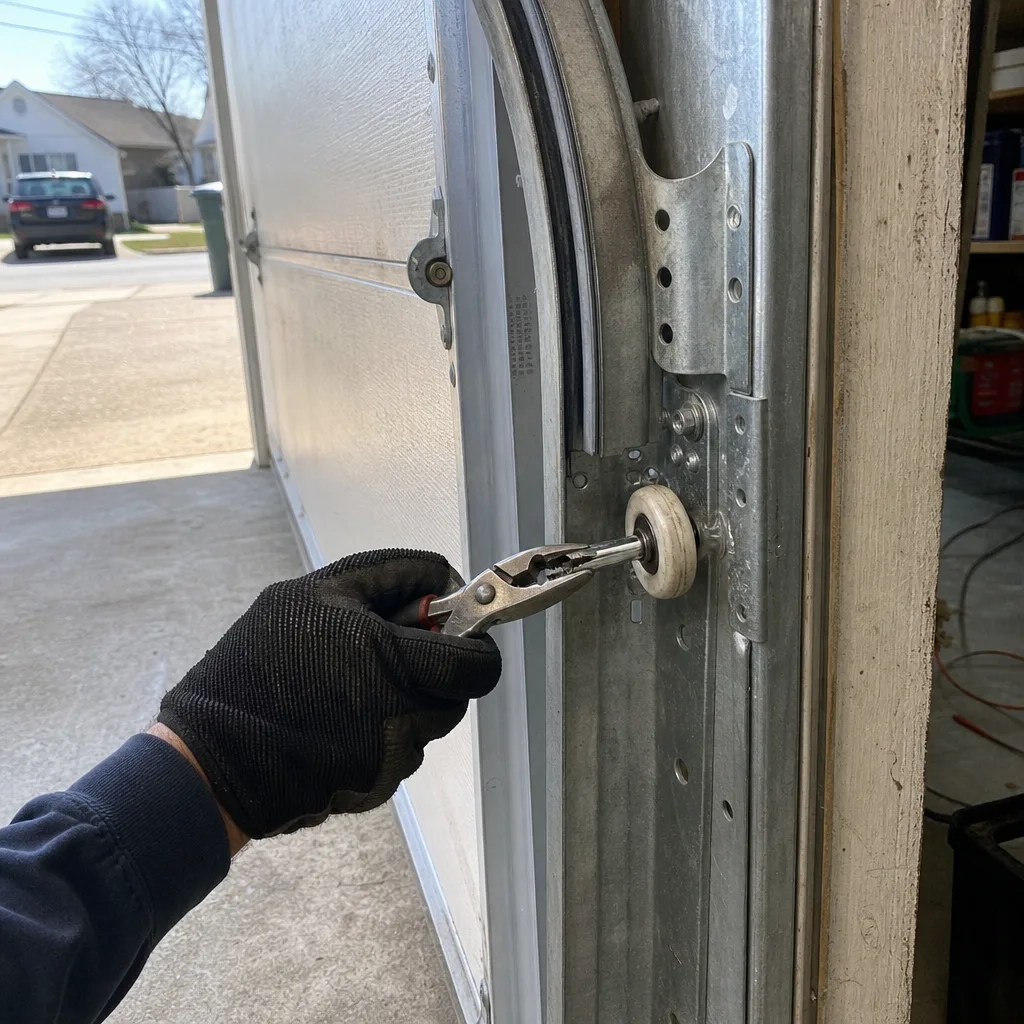
- Track alignment. Look down each vertical and horizontal track from the side. It should be straight and parallel. Bends or gaps where the sections meet cause binding.
- Panel condition. Check steel and wood panels for dents, rust spots or separation. Wood panels in particular need attention before humid air gets to bare spots.
- Bottom seal. Run your hand along the bottom rubber seal. Cracks, hardness or missing chunks let in water, pests and drafts, and the seal is the first line of defense against summer rain.
- Hardware torque. Hinges, brackets and the opener’s rail bolts can work loose over winter. Snug anything that’s rattling.
- Opener response. Test the safety reverse: place a small object in the door’s path and confirm it reverses on contact. This should be checked regularly, not just once a year.
If your door is a wood-panel model – a Clopay or Amarr wood-look door, for instance – spring is the moment to inspect the finish. A door that’s holding moisture is far harder to bring back than one caught early. If panels are beyond repair or the whole door is nearing the end of its life, that’s a different conversation, and our garage door installation service walks through brand and material choices with no pressure to replace a door that just needs a fix.
Summer: Humidity, Wood Panels, Seals and Tracks
This is the season most generic maintenance guides skip entirely, and it’s a real problem in West Park. Summer humidity does more quiet damage to a garage door than most homeowners realize, and heat combined with shifting ground moves tracks in ways winter never does.
What summer humidity does:
Wood panels absorb moisture from humid air, swelling slightly. That swelling can bind panels against each other, throw the door out of alignment and stress the hinges. Steel and aluminum doors resist swelling, but condensation can feed rust at seams and fasteners. Meanwhile, the rubber bottom seal softens and can tear or sag, and warm ground movement – especially after heavy rain – nudges tracks out of true. A door that ran smoothly in April can start dragging by August.
Summer tasks:
- Wipe down wood panels and check for swelling or soft spots, particularly along the bottom edge where moisture collects.
- Inspect and clean the bottom seal. Remove debris trapped under the door and check the seal for cracking or separation.
- Recheck track alignment. With the door closed, sight down the tracks and look for bends or gaps at the joints.
- Lubricate hinges and rollers with a garage-door-specific lubricant; avoid heavy grease that attracts grit.
- Check for rust on steel panels and touch up any bare spots to keep moisture out.
A door that binds in summer often signals a track or panel issue that will only worsen – and it puts extra strain on the opener, which can lead to opener failure. If the door drags or the opener strains, our garage door opener repair team can trace whether the cause is the door or the unit itself. Summer is also the time to glance at drainage around the garage; water pooling near the threshold finds its way to the seal and the bottom panel.
Fall: Weatherstripping Before Heating Season
As temperatures drop, the garage becomes one of the biggest heat-loss points in many West Park homes, and worn weatherstripping is usually the culprit. Fall is the window to seal the door before the furnace starts working overtime, because a gap you can see daylight through is a gap cold air moves through all winter.
Inspect the whole seal system:
- Bottom seal (threshold): The rubber strip along the bottom edge. Check for cracks, flattening or missing sections.
- Perimeter weatherstripping: The strips along the sides and top where the door meets the frame. Look for gaps, tears or hardening.
- Between-panel seals (if your door has them): These can dry out and let air through the door itself.
What holds up in Ohio temperature ranges: For the bottom threshold, a flexible vinyl or rubber seal that stays pliable in cold is the right choice – a seal that hardens and cracks by January defeats the purpose. For the perimeter, closed-cell foam or vinyl weatherstripping resists moisture and cold better than open-cell foam, which absorbs water and breaks down. On the “daylight test,” close the door and look for light around the edges; wherever you see light, air is getting through.
Replacing weatherstripping is a manageable fall task and one of the higher-value seasonal jobs on this list. If a seal is beyond saving or the door frame itself is damaged, a technician can assess it alongside the rest of the system. Getting this done before the heating season is the single most effective fall step for both comfort and energy use in a West Park home.
Getting the Opener Ready for Winter
The opener takes the brunt of winter’s extra load, and cold temperatures expose weaknesses you won’t notice in milder weather, especially in older units. A little prep in fall prevents a door that won’t open on the coldest morning. We work across the major opener brands – LiftMaster, Chamberlain, Genie, Craftsman and others – so we can sort out both older mechanical units and modern smart-home-compatible systems. The brand already in your home is the one we diagnose, rather than steering you toward a replacement.
Pre-winter opener checklist:
- Test the battery backup. If your opener has a battery backup (many modern units do), unplug the opener and confirm the door still operates. Replace a weak battery before winter so a power outage doesn’t strand the door.
- Check the sensitivity and safety reverse. Place an object in the door’s path and confirm it reverses. In cold weather a door moves heavier, and a poorly set safety system is a real risk.
- Understand travel limits on older openers. Cold temperatures change how far the door travels before the limit switch stops it. An older opener with a borderline setting can start reversing early or stopping short in the cold. If the door doesn’t fully close in winter, the travel limits may need adjustment.
- Lubricate the opener’s moving parts – the rail, chain or belt and the trolley – with the right lubricant.
- Check the remote and wall control for weak batteries and confirm all controls work.
If the opener is straining, reversing for no reason or struggling in the cold, the cause could be the opener, the door balance or a failing spring. Our team can tell the difference. If you’re considering a new unit entirely, a garage door specialist can help you match the opener to your door – see our garage door opener repair service for how we diagnose, and our main page at West Park Garage Door Repair Pros for the full range of what we handle.
Month-by-Month Task Calendar for West Park
Generic maintenance calendars assume a mild, even climate. This one is built for West Park’s actual seasonal pattern, so the tasks land just before each component’s hardest season. Print it, stick it inside the garage, and work the list through the year.
- January: Listen for grinding or straining on cold mornings; check door balance by hand with the opener disconnected; keep hinges and rollers lubricated.
- February: Peak spring-failure danger. Inspect springs and cables visually (never touch a tensioned spring); if the door is heavy or unbalanced, call for spring inspection.
- March: The freeze-thaw peak. Repeat the balance and spring check; watch for a door that’s harder to lift than a month ago.
- April: Full spring transition pass – track alignment, panel condition, bottom seal, hardware torque, safety-reverse test.
- May: Inspect wood-panel finish and bare steel spots before humidity climbs; clean and check the bottom seal.
- June: Humidity season begins. Wipe down wood panels, check for swelling, recheck track alignment.
- July: Mid-summer check – seals, tracks and rust on steel panels; watch for opener strain or binding.
- August: Late-summer alignment and seal recheck; inspect drainage around the threshold after heavy rain.
- September: Fall prep – daylight test around the door edges, inspect perimeter and bottom weatherstripping.
- October: Replace worn weatherstripping before heating season; test opener battery backup and safety reverse.
- November: Confirm travel limits and sensitivity on older openers ahead of the first hard freeze; lubricate opener moving parts.
- December: Watch for cold-stiffened hinges and rollers; keep the door path clear and keep it lubricated as temperatures drop.
Two notes on the calendar. First, it’s a starting point – if your door is older or has a history of spring trouble, tighten the February-March inspection window. Second, some entries are “look and listen” tasks, while spring and cable work are hands-off for homeowners. Keep the two separate in your head and you’ll stay safe through the year.
Common Mistakes to Avoid
- Waiting for a noise before inspecting. Springs and cables fail suddenly, but they weaken slowly. In West Park, a door that’s fine in January can be near failure by March, and a quick balance check catches it.
- Ignoring summer humidity. Most homeowners skip summer entirely, but swollen wood panels and soft seals in West Park’s humid months cause alignment and draft problems that show up in fall.
- DIY spring and cable work. This is the most dangerous thing a homeowner can attempt on a garage door. Torsion springs store enormous energy; a slip can cause serious injury. Leave springs and cables to a trained technician.
- Using the wrong lubricant. Heavy grease and WD-40-style products attract grit and gum up rollers and hinges. Use a garage-door-specific lubricant on the moving parts, and keep it off the tracks’ rolling surface.
- Never replacing weatherstripping. A cracked bottom seal or worn perimeter strip lets cold air in all winter. Inspect and replace before fall in West Park, not mid-January when the draft is obvious.
- Skipping the opener battery and travel-limit check. A dead backup battery or mis-set travel limit turns a routine winter morning into a stuck door. Check both in fall.
- Assuming replacement is the only answer. A binding door or a straining opener is often a repair, not a replacement. Get a diagnosis before deciding the whole door or opener is done.
When to Call a Professional
Some seasonal tasks are genuinely homeowner-friendly: lubrication, visual inspection, the daylight test, checking the opener’s battery backup. Others are not, and pretending otherwise is how people get hurt. Call a professional when a spring looks broken or the door is out of balance, when a cable is frayed or slack, when the door is off its tracks or won’t move, or when the opener strains, reverses for no reason or won’t respond. If a door fails and won’t open or close, that’s a security and safety issue, and we treat it as an emergency rather than a next-day appointment – when the door won’t move, we move fast.
West Park Garage Door Repair Pros offers free estimates in West Park. We work on the brand already in your home across Clopay, Amarr, Wayne Dalton, Craftsman and the other major brands, and we’re specialists rather than generalists. Springs, openers, panels, tracks – one call covers it. Call (855) 658-4098. We answer 24/7. Fast dispatch from 7am to 7pm, Sunday through Friday. For a full picture of our services, start with West Park Garage Door Repair Pros.
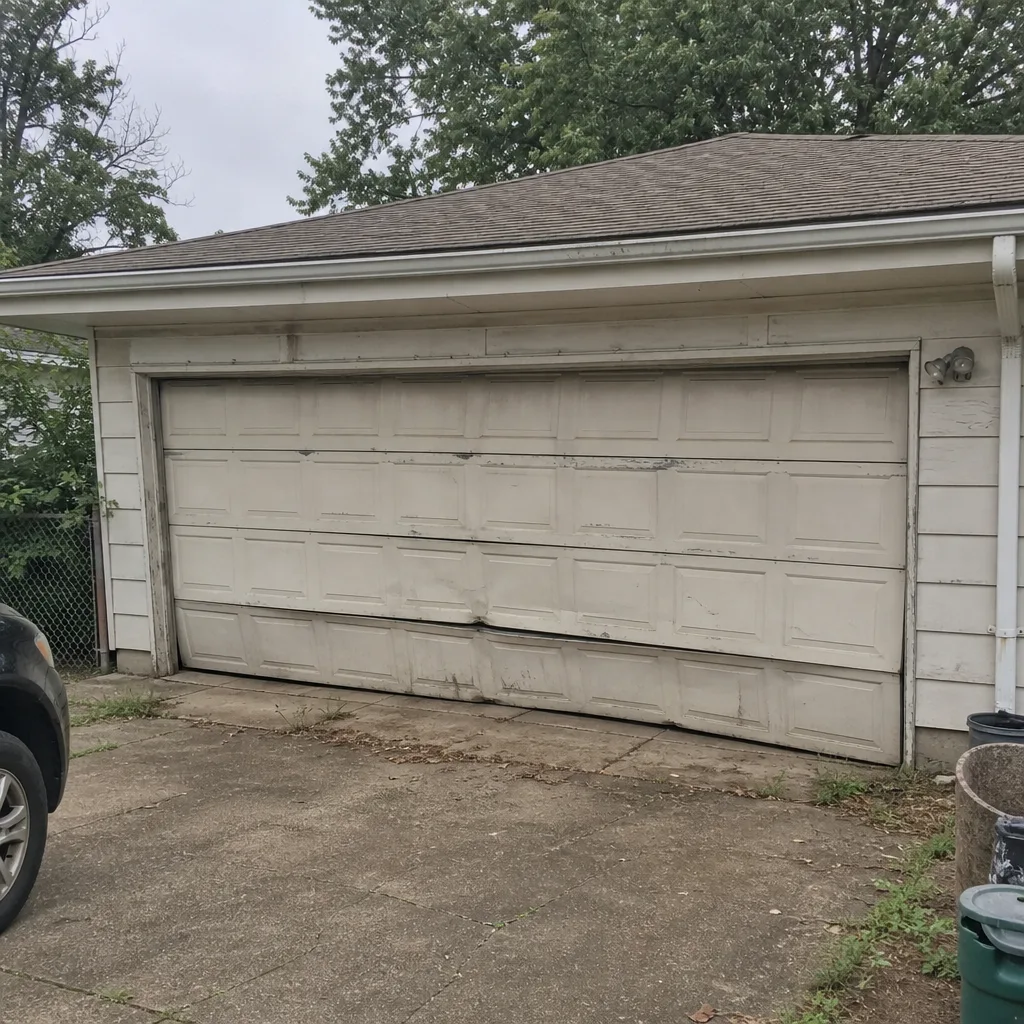
See the difference
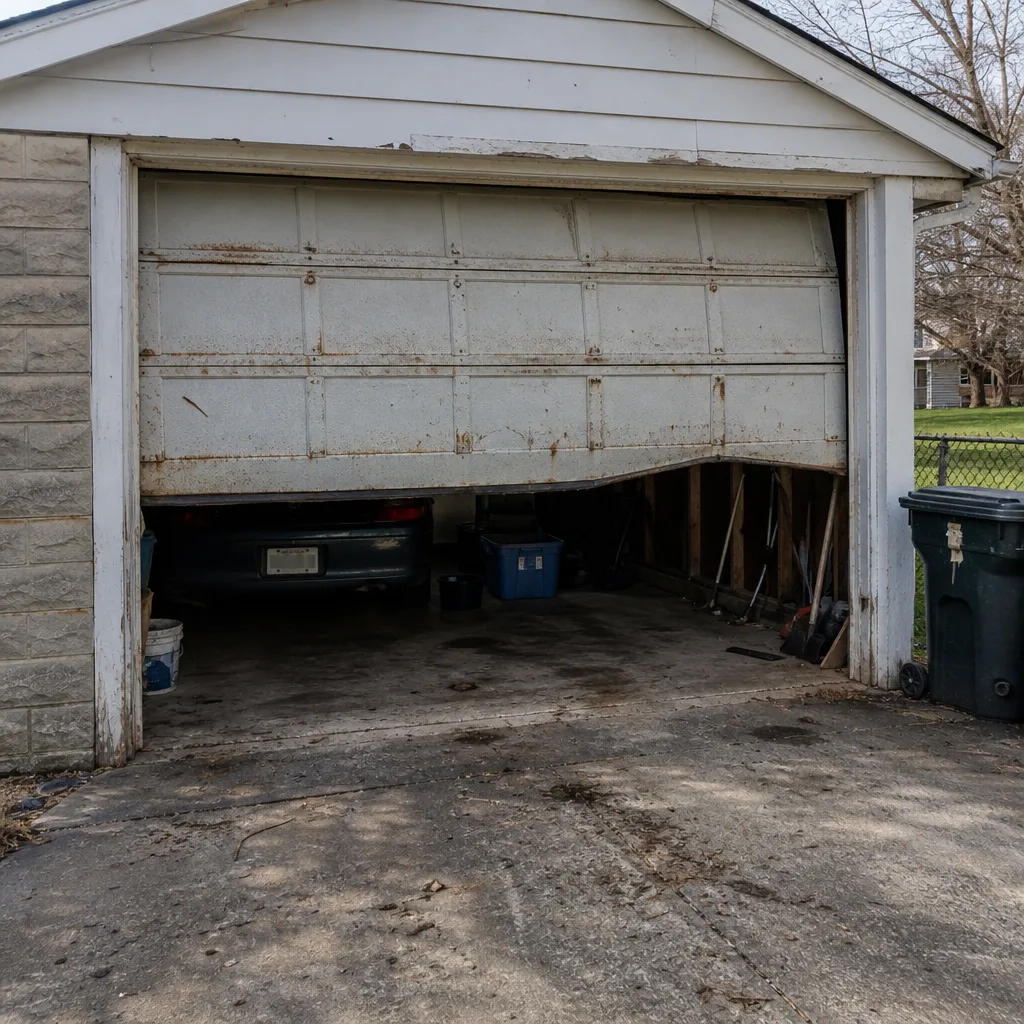 Before
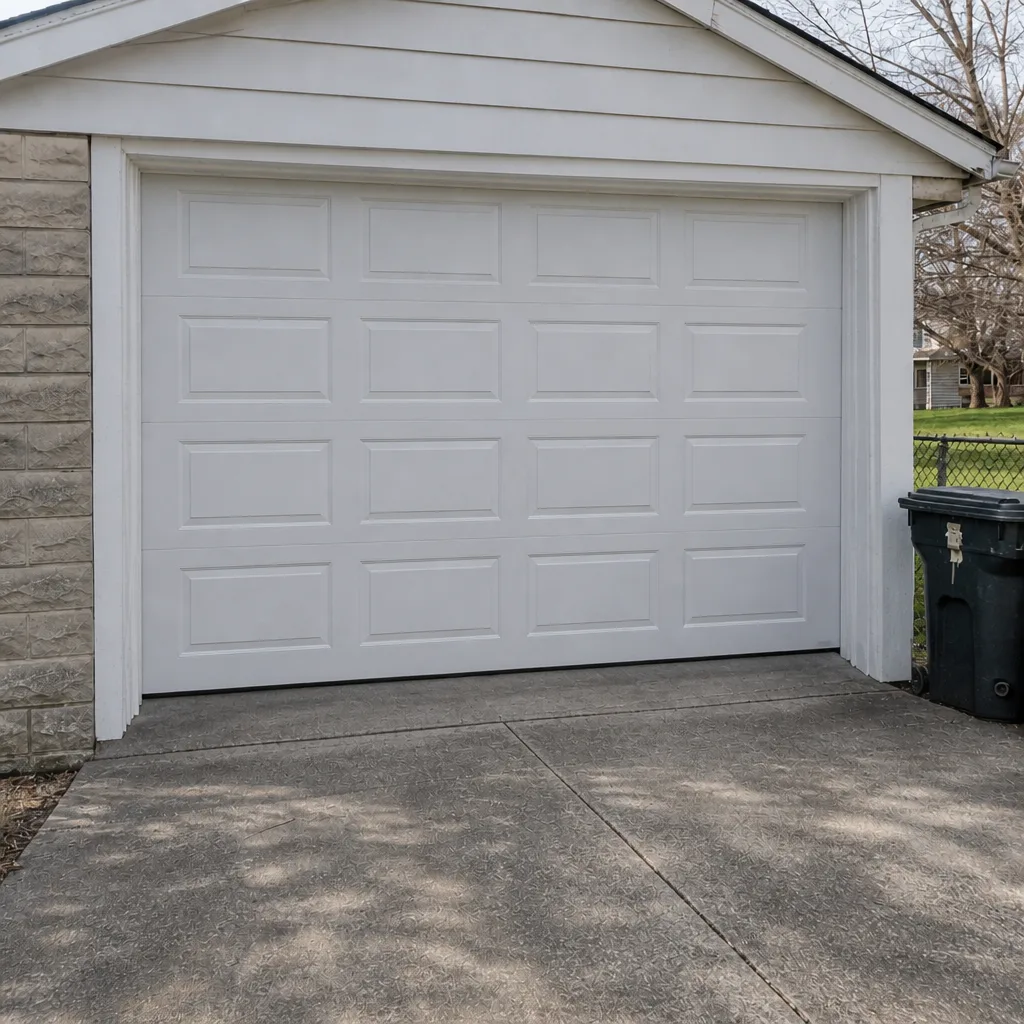 After
 Before
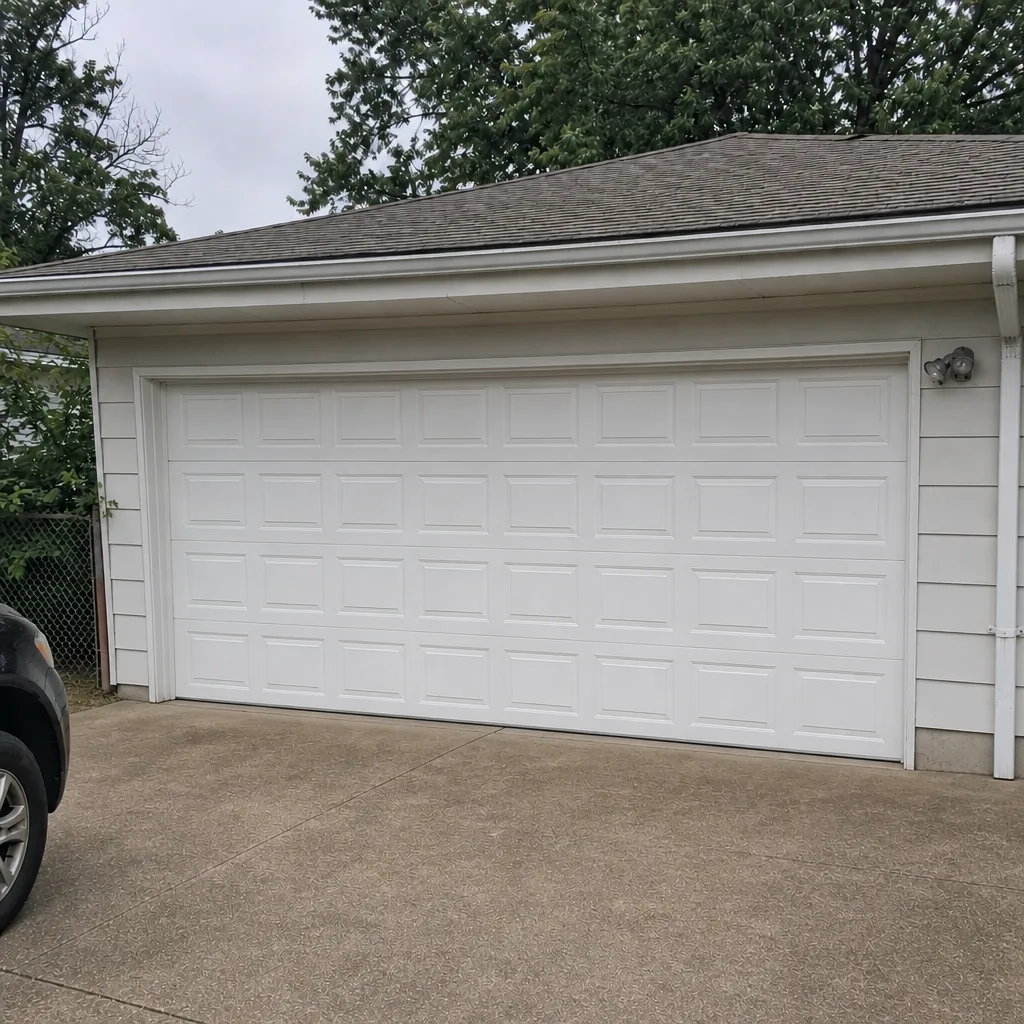 After
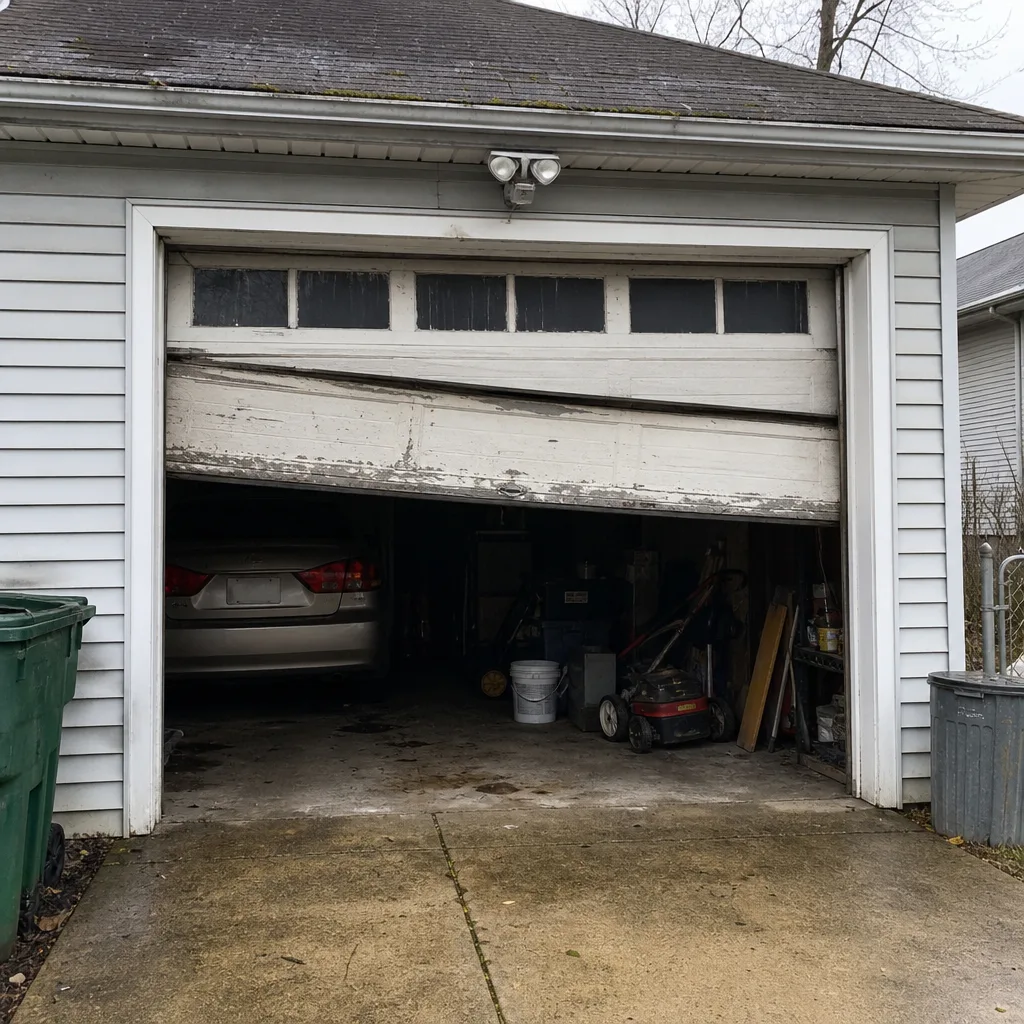 Before
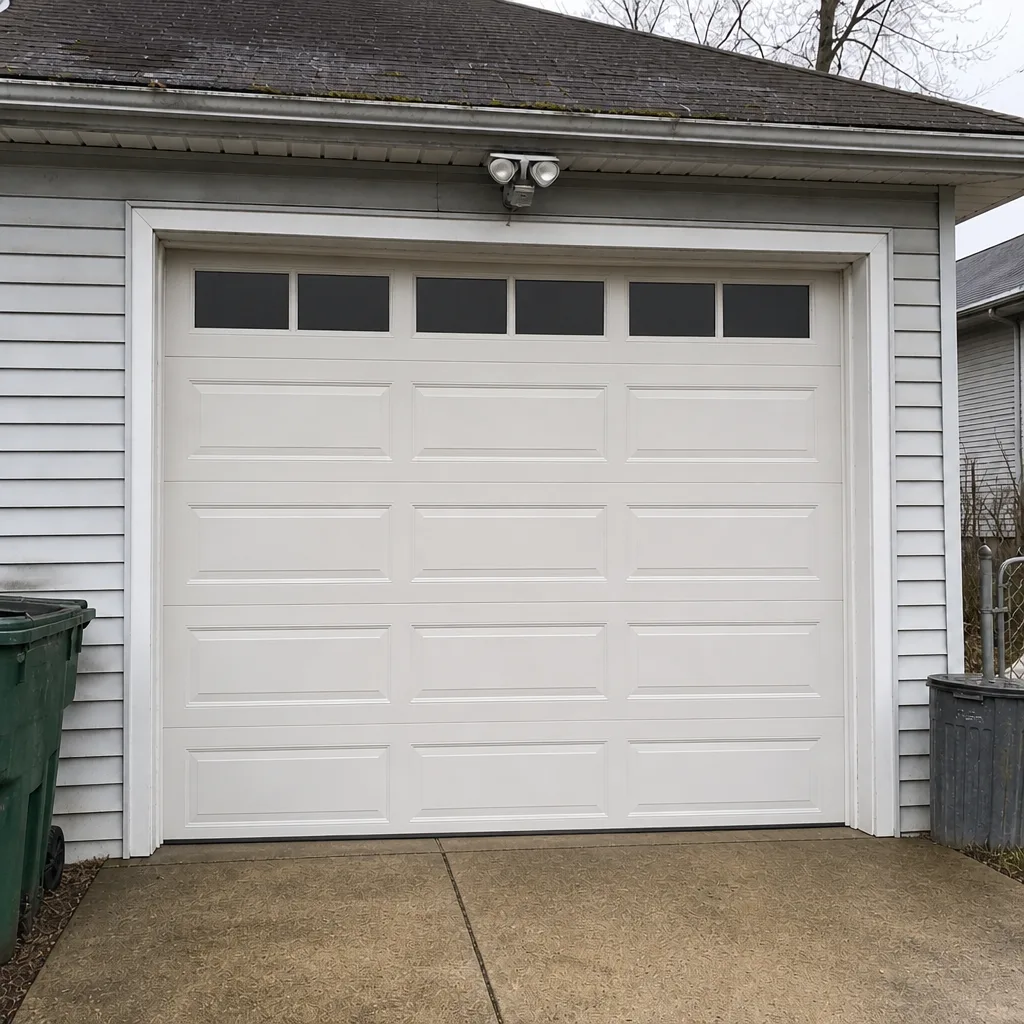 After
Frequently Asked Questions
Late winter and early spring – February and March – are the highest-risk window in West Park. It’s not the coldest stretch; it’s the daily freeze-thaw cycling that repeatedly stresses metal that’s already contracted through the winter. Inspect your springs and test the door’s balance before March, and call a technician if the door feels heavy or out of balance.
No. Garage door springs and cables are under extreme tension and can cause severe injury if they release suddenly. This is a job for a trained technician with the right tools. Homeowners can safely inspect and lubricate, but should never adjust, remove or “tighten” a spring or cable. Call (855) 658-4098 for spring repair – estimates are free.
Summer humidity swells wood panels, which can bind the door and stress hinges, and it softens the bottom seal so it tears or sags more easily. Warm ground movement can also nudge tracks out of alignment. Check panels, seals and track alignment through June, July and August, before problems carry into fall. If the door starts dragging, it’s worth a professional look.
For the bottom threshold, a flexible vinyl or rubber seal that stays pliable in cold works best – a seal that hardens and cracks defeats the purpose in an Ohio winter. For the perimeter, closed-cell foam or vinyl resists moisture and cold better than open-cell foam. Replace worn seals in fall before the heating season starts.
Cold temperatures make the door heavier and expose weak settings on older openers – travel limits can drift, and a weak battery backup can fail when you need it. Check the battery backup, test the safety reverse and adjust the travel limits before the first hard freeze. If the opener strains or reverses for no reason, it may also be a door or spring issue, so get a diagnosis.
Yes. A door that won’t open or close is a safety and security issue, so we offer dedicated emergency service rather than a routine next-day appointment. Call (855) 658-4098. We answer 24/7. Fast dispatch from 7am to 7pm, Sunday through Friday. Estimates are free.
The Bottom Line
West Park’s seasons don’t just change the weather – they change which garage door parts are under stress, and the order matters. Springs take their worst beating in February and March from freeze-thaw cycling, which is why late-winter inspection is the highest-value task on the calendar. Summer humidity swells wood panels and softens seals, so that season deserves attention too, not a skip. Fall is for weatherstripping before the heating season, and late fall is for the opener’s battery backup, sensitivity and travel limits. Work the month-by-month calendar, do the safe inspections and lubrication yourself, and leave springs and cables to a trained technician. That sequence is what keeps a West Park door running through the whole year, not just through one mild month.
Call (855) 658-4098 for a free estimate. We answer 24/7. Fast dispatch from 7am to 7pm, Sunday through Friday.
Written by the team at West Park Garage Door Repair Pros.